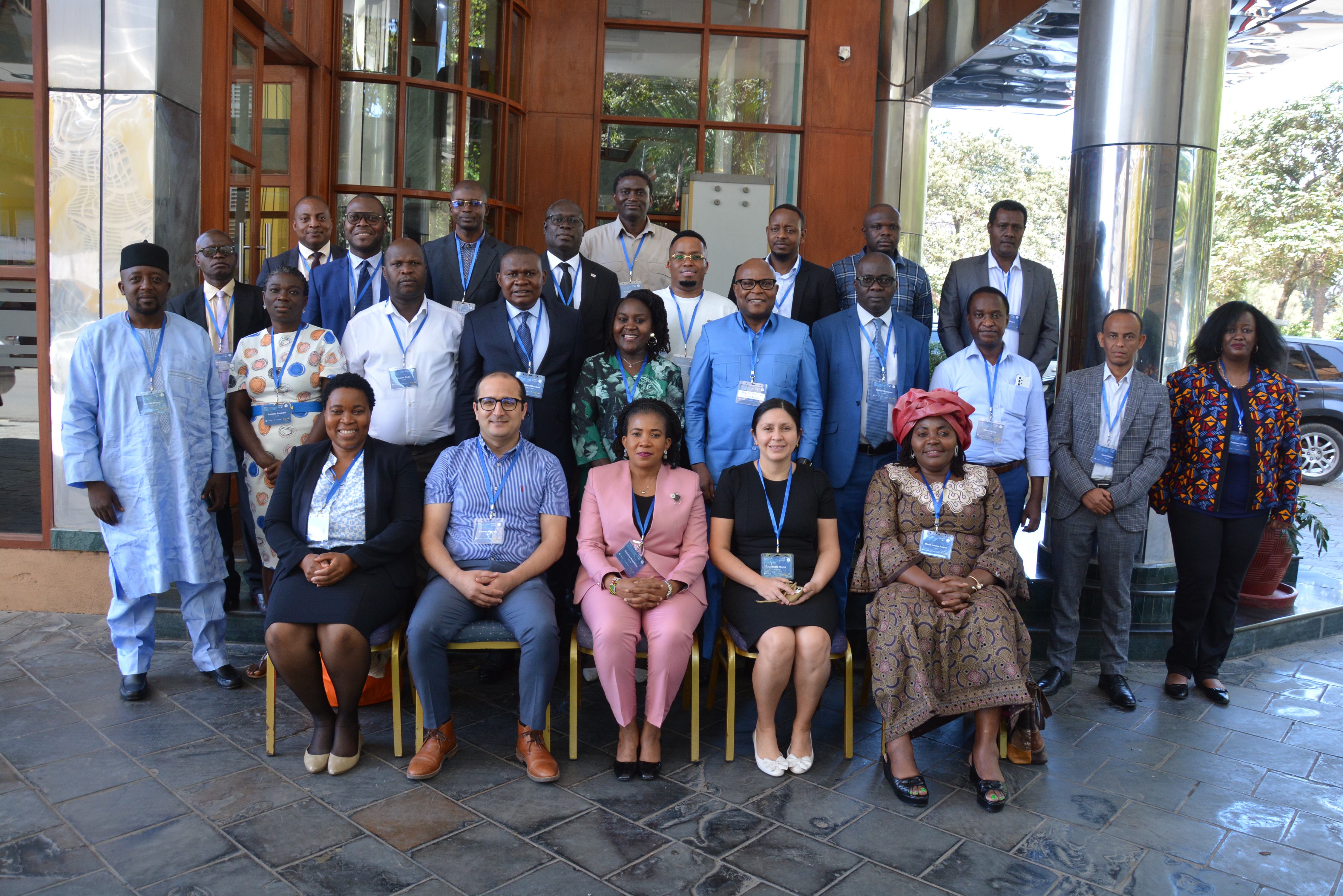
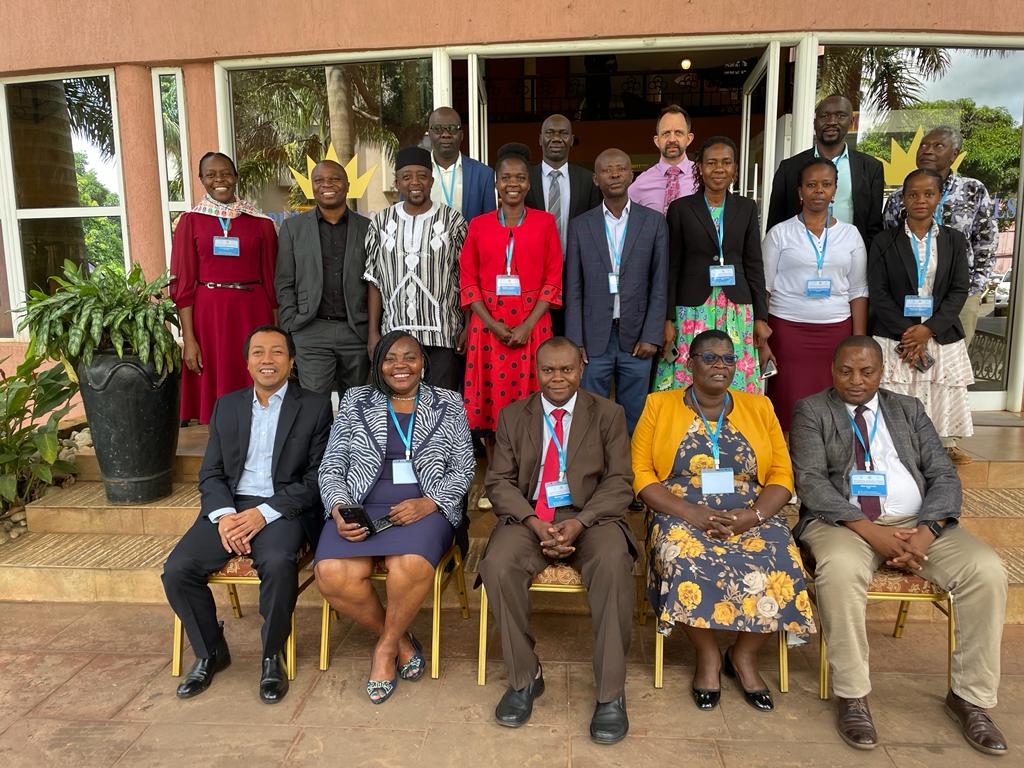
10 African Countries converge in Arusha
To boost region's access to REDD+ finance and knowledge on social inclusion and benefit sharing
The Paris Agreement commits countries to limiting global temperature rise to well below 2°C, with efforts toward 1.5°C. Yet climate change is already impacting agriculture, fisheries, forestry, and related ecosystem services, particularly in Africa, where extreme weather events threaten livelihoods, food security, and stability—potentially pushing an additional 35–122 million people into poverty by 2030.
Forests are central to Africa's climate resilience. The Congo Basin, the world's second-largest tropical rainforest, plays a critical role in mitigation, adaptation, and biodiversity conservation. However, deforestation remains alarmingly high, with the Democratic Republic of Congo alone losing nearly 500,000 hectares of primary forest in 2021.
This project supports African countries in meeting their REDD+ forest emission reduction commitments, contributing to the UN-REDD goal of reducing 1 GtCO₂eq annually by 2025. Achieving the Paris goals requires urgent transformation of the AFOLU (Agriculture, Forestry, and Other Land Use) sector and scaling up of forest financing, given forests' estimated mitigation potential of 4.1–6.5 GtCO₂e by 2030.
Since 2008, African countries have made progress in REDD+ readiness, but challenges remain, including slow implementation, capacity gaps, and limited knowledge-sharing. The project seeks to address these barriers by strengthening countries' capacities and knowledge through UN-REDD's technical expertise and convening power, combined with AFF's regional networks, expertise, and local knowledge.
Profile coming soon
To boost region's access to REDD+ finance and knowledge on social inclusion and benefit sharing

Results Based Finance, social inclusion and benefits sharing mechanisms in African countries' REDD+ process
Vol 2 (15)
Working Paper Vol. 2 (19)
Vol 2 (4)